

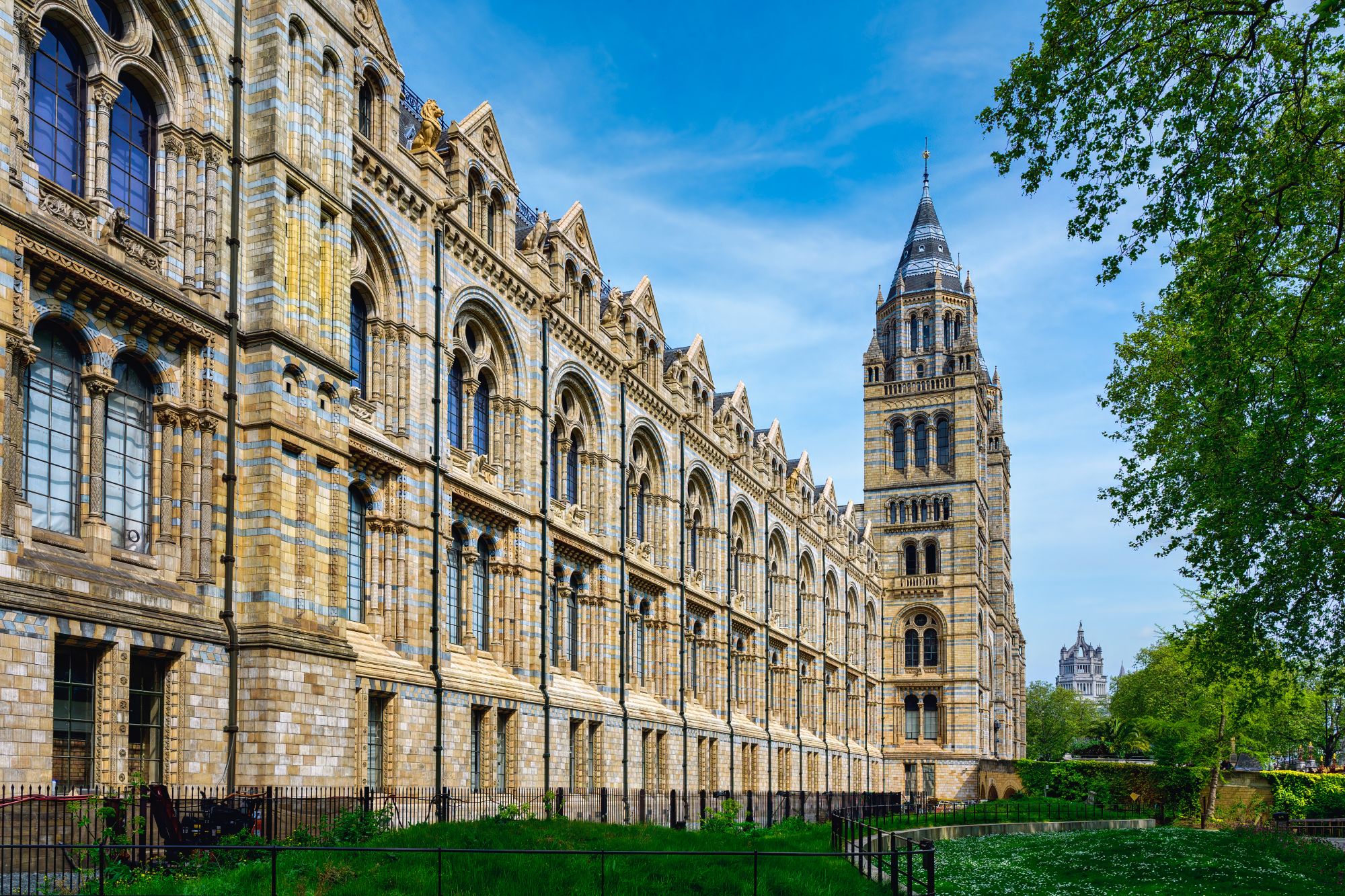
A recent ruling by the Valuation Tribunal for England has significantly reduced the Natural History Museum’s rateable value to just £1, marking an important moment for museums and public‑interest organisations across the UK. According to Mills & Reeve, the Valuation Tribunal reached this conclusion on the basis that the Museum cannot and does not operate profitably, that no hypothetical tenant would reasonably be expected to bid for such a building, and that government grant funding cannot be treated as rental income for valuation purposes.
Why the Tribunal Reached This Decision
The case centred on how museums—particularly national institutions—should be valued when they do not operate on a commercial basis. The Tribunal determined that applying a traditional market‑based valuation was unrealistic given the Museum’s financial position and its unique public‑service role. Since the organisation operates at a deficit and relies heavily on public funding, the only rational assessment was a nominal rateable value of £1.
This outcome reflects a growing body of legal decisions that challenge the historical “contractor’s method” previously used to value museums. This method often resulted in disproportionately high valuations, particularly for museums located in large or historic buildings. Over time, multiple cases have demonstrated that such assessments do not align with the real economic circumstances of publicly funded institutions.
Context Within Wider Sector Developments
Recent years have seen several museums successfully appeal their rateable values, often resulting in substantial reductions. For example, the Museums Association has highlighted cases where valuation changes have led to significant savings, particularly after the Valuation Office Agency shifted toward a receipts and expenditure method—a more realistic approach that considers whether a museum generates any surplus at all.
This trend reflects increased recognition that museums typically operate as cultural, educational, and heritage assets rather than commercial entities. In many cases, their buildings require extensive space for collections, conservation, and public engagement—features that make them unsuitable for standard market appraisal.
Implications for Museums and Other Public Bodies
The Natural History Museum’s successful appeal underscores the possibility for other institutions, especially those running at a financial deficit, to reassess their own business rates. The decision may set a persuasive precedent for museums, galleries, and heritage organisations seeking fairer valuations that reflect their actual operating conditions.
It also highlights the importance of understanding the formal appeal process. The Valuation Tribunal for England provides structured guidance and indicates that business rates appeals typically take around nine months from submission to resolution, giving organisations a realistic timeframe for planning and resource allocation.
A Meaningful Shift for the Cultural Sector
This landmark ruling signals a broader shift in how the value of museums is understood and assessed. By acknowledging that many institutions simply cannot sustain commercial rent levels, the Tribunal has opened the door for fairer treatment of organisations that deliver significant educational and cultural benefits.
For museums facing financial pressures, this decision represents both relief and opportunity. With precedent strengthening and sector‑wide momentum building, the pathway toward more realistic rateable values is becoming clearer—and potentially transformative for the sustainability of the UK’s cultural landscape.
Source – Valuation Tribunal reduces Natural History Museum’s rateable value to £1: A landmark decision